Understanding the Different Genres of Tabletop Games
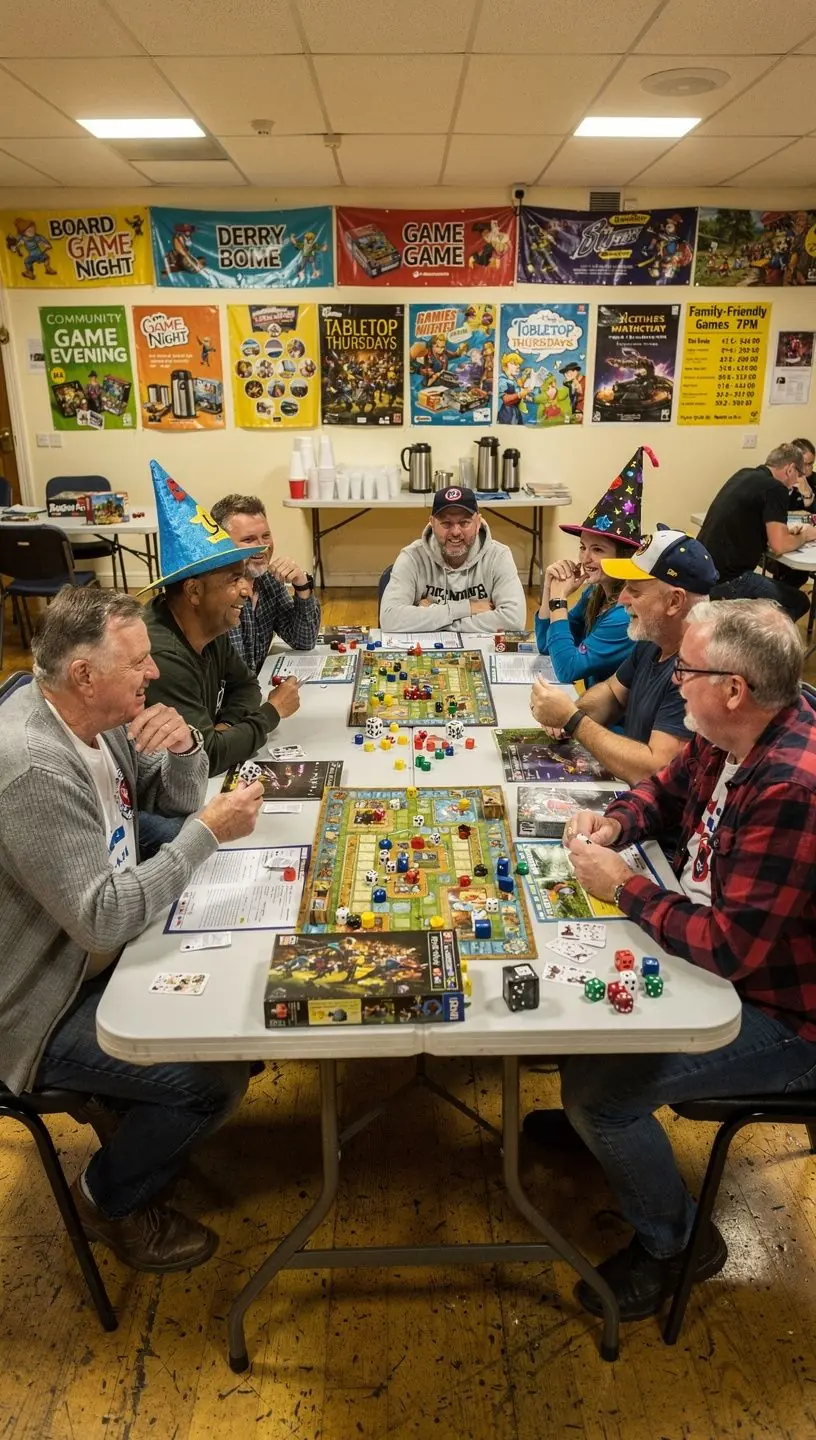
Tabletop games have gained significant popularity among adults, particularly those aged 40-60, as they provide an engaging way to socialize and stimulate the mind. In this article, we will explore the various genres of tabletop games, their characteristics, and how they cater to different preferences and play styles.
The Evolution of Tabletop Games
Tabletop games have evolved considerably over the years, from traditional board games to modern complex systems. According to research, the resurgence of interest in tabletop gaming can be attributed to the rise of social media and online communities, which facilitate sharing experiences and recommendations. This evolution has also led to a burgeoning market that features a diverse range of genres.

Exploring Different Genres
Understanding the different genres of tabletop games can help players choose the ones that best suit their interests. Here’s a closer look at some prominent genres:
- Board Games: Typically focused on strategy and luck, board games like *Monopoly* and *Settlers of Catan* encourage players to compete against one another. Studies show that these games can improve critical thinking skills and promote social interaction.
- Card Games: Games such as *Magic: The Gathering* and *Uno* fall into this category. Many users report that card games often involve elements of chance and strategy, making them appealing for both casual and competitive play.
- Role-Playing Games (RPGs): Games like *Dungeons & Dragons* allow players to immerse themselves in fictional worlds, often requiring creativity and collaboration. Industry experts suggest that RPGs can enhance storytelling skills and foster teamwork.
- Miniature Games: These games, such as *Warhammer 40,000*, require players to use miniatures to represent characters or units in battles. They often involve extensive investment in both time and resources, making them suitable for dedicated players.
- Cooperative Games: Unlike competitive games, cooperative games like *Pandemic* require players to work together to achieve a common goal. This genre has grown in popularity, especially among those looking for a more social experience.
Why Genre Matters
The genre of a game often dictates not only the gameplay mechanics but also the social dynamics involved. For instance, competitive games might appeal to players who thrive on rivalry, while cooperative games may suit those who prefer teamwork. Acknowledging these preferences can enhance the gaming experience.
"Understanding the genre can significantly enhance player enjoyment and engagement, making it essential for both new and seasoned gamers." - Tabletop Gaming Expert
Choosing the Right Game for Your Group
When selecting a game, consider the following factors:
- The Group's Interests: Discuss preferences among group members to ensure everyone is on board with the chosen genre.
- Time Commitment: Some games can take hours to play, so it's crucial to select one that fits the available time.
- Learning Curve: New players may prefer simpler games, while seasoned gamers might enjoy complex mechanics.
Conclusion
Understanding the different genres of tabletop games can lead to more enjoyable and meaningful gaming experiences. By considering the group dynamics, preferences, and the unique characteristics of each genre, players can select games that foster fun and connection. As tabletop gaming continues to evolve, keeping informed about genres can help you make choices that enhance your gaming nights.
Learn More