
How to Incorporate Feedback into Game Selection
Incorporating feedback into your game selection process can enhance your tabletop gaming experience significantly. This article explores effective methods of gathering and implementing feedback from your club members, ensuring every session is enjoyable and engaging.
Understanding the Importance of Feedback
Feedback is a crucial component of any successful group activity, particularly in tabletop gaming. According to research conducted by the Tabletop Gaming Association, regularly soliciting feedback can lead to a more inclusive environment and improved satisfaction among players. This is primarily because members often have diverse preferences and playing styles.
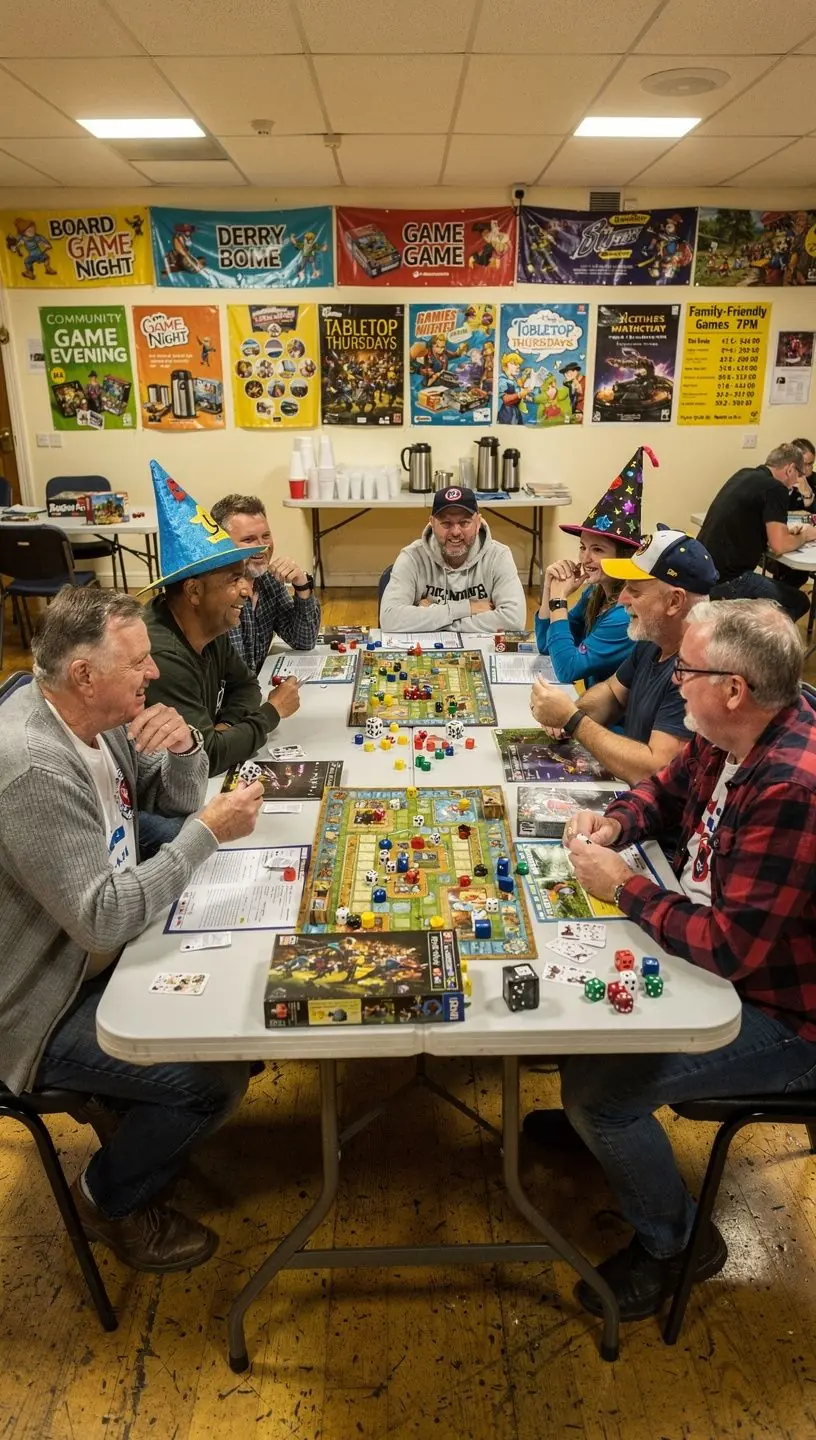
"When players feel their opinions are valued, they are more likely to engage and recommend games that resonate with the group." - Tabletop Gaming Expert
Methods for Collecting Feedback
To effectively gather feedback, consider employing several strategies:
- Post-Game Surveys: After each session, distribute a short survey, either online or in person, asking players to rate their enjoyment of the game, the mechanics, and the overall experience. Studies show that concise surveys increase participation rates.
- Open Discussion Sessions: Allocate a few minutes at the end of your game nights for an open floor discussion where players can share their thoughts. Experts recommend creating a safe space for constructive criticism, which can foster a culture of improvement.
- One-on-One Conversations: Sometimes, personal discussions yield deeper insights. Engaging members individually can reveal preferences that might not come up in group settings.
How to Implement Feedback in Game Selection
Once you have gathered feedback, the next step is to analyze and implement it effectively. Here’s how:
- Identify Trends: Look for common themes in the feedback. If multiple members express a desire for more cooperative games, this is a clear indication of a group preference.
- Trial Runs: Introduce new game suggestions based on feedback during a trial run. This allows you to see if the game resonates with the group before making it a regular feature.
- Solicit Further Feedback: After trying new games, return to your feedback mechanisms to assess how well they were received. This iterative process ensures that the game selection evolves alongside the preferences of your members.
Acknowledging Limitations
While incorporating feedback can significantly improve game nights, it’s vital to recognize that not all suggestions may align with your club’s goals. Approaching the feedback process requires a careful balance:
- Some feedback may require additional resources or time commitments that the club may not have.
- Not all suggested games may fit the group's dynamics or skill levels, which is why trial runs are essential.
- It’s important to manage expectations, as it may take several sessions to see tangible changes in the group's satisfaction levels.
Conclusion
Incorporating feedback into your game selection is a thoughtful process that can foster a more enjoyable and engaging gaming environment. By utilizing various feedback collection methods and implementing changes based on what you learn, you can enhance the collective experience of your tabletop club. Remember, the goal is to create a space where everyone's voice is heard and valued, making each game night a memorable experience for all.
Learn More