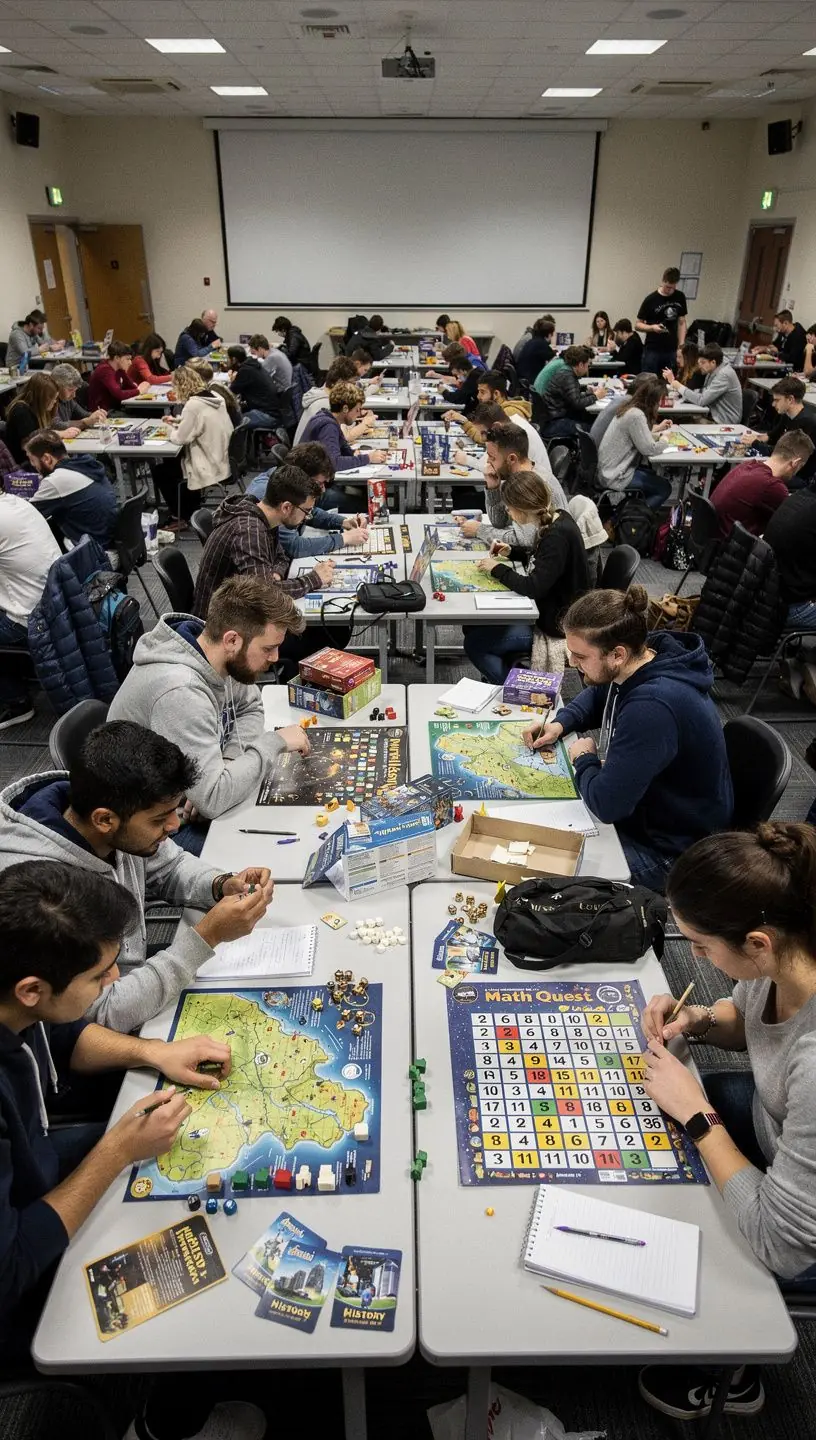
Exploring the Connection Between Board Games and Strategy
Board games have long been a source of entertainment, but they also serve as valuable tools for developing strategic thinking skills. In this article, we will explore how tabletop games can enhance strategic capabilities, the underlying principles at play, and practical insights for players looking to harness these benefits.
Understanding the Role of Strategy in Board Games
Board games typically require players to make decisions based on limited information, which is a fundamental aspect of strategic thinking. According to research published in the Journal of Educational Psychology, engaging in games that involve strategic planning can significantly improve cognitive skills, particularly in adults. These games often present complex scenarios where players must anticipate opponents' moves, analyze potential outcomes, and devise counter-strategies. This process can help develop critical thinking and problem-solving abilities.

"Participating in board games fosters an environment of strategic thought, enabling players to practice decision-making in a risk-free setting."
The Mechanics of Strategic Thinking in Gameplay
The principle behind successful strategy in board games lies in understanding both game mechanics and human psychology. Here are a few methodologies that can enhance strategic gameplay:
- Assessing Risk and Reward: Players are encouraged to evaluate the potential gains and losses of their decisions. This involves understanding the game’s risk-reward ratio, which can help players make informed choices.
- Adapting Strategies: Flexibility in strategy is crucial. Many successful players adapt their approaches based on the actions of their opponents. Research indicates that adaptable strategists often outperform those who stick rigidly to a single plan.
- Long-term Planning: Effective strategy often requires thinking several moves ahead. Players who can foresee potential future states of the game gain a significant advantage, as noted by experts in cognitive sciences.
Practical Application of Board Game Strategies
To truly benefit from board games, players should be mindful of how they can apply learned strategies both in-game and in real-life situations. Here are some practical insights:
- Engage with different game formats: Exploring various genres can expose players to diverse strategic challenges, enhancing adaptability.
- Practice regularly: Consistent gameplay can help solidify strategic concepts, but it typically requires a commitment of several hours weekly for meaningful improvement.
- Reflect on your gameplay: After each session, consider what strategies worked, what didn’t, and why. This reflection can deepen your understanding of strategic thinking.
Conclusion
Board games offer a rich landscape for enhancing strategic skills, with numerous studies supporting the cognitive benefits associated with gameplay. While mastering these skills may take time and dedication, players can expect to see improvements in their decision-making abilities through consistent practice and reflection. By understanding the mechanics of strategy and engaging in thoughtful gameplay, board game enthusiasts can cultivate not only their love for gaming but also invaluable life skills.
Learn More