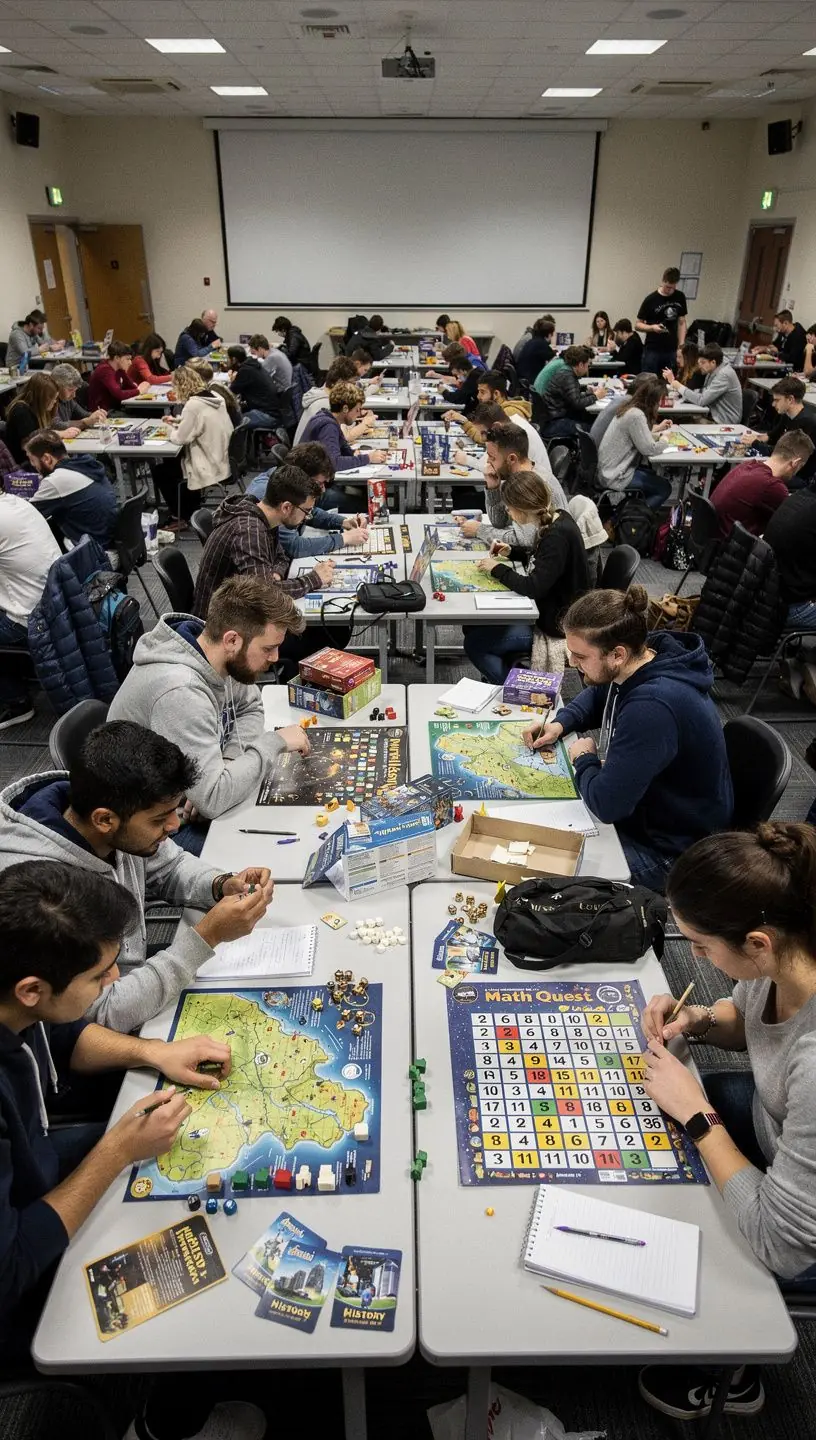
How to Facilitate League Play in Board Gaming
Facilitating league play in board gaming can enhance the experience for participants and foster community among players. This article provides insights into effective strategies for organizing league play, emphasizing educational value and practical implementation.
Understanding the Essentials of League Play
League play typically involves a structured competition where participants engage in a series of games over a specified period. According to industry experts, having a clear framework can help increase player engagement and retention. Establishing rules, schedules, and formats allows all players to understand expectations and fosters a fair playing environment.

"A structured approach to league play can significantly enhance player satisfaction and community building." - Board Game Community Research
Key Components of Effective League Management
To successfully facilitate league play, consider the following components:
- Clear Communication: Regularly update participants about schedules, results, and any changes. Studies show that effective communication can enhance participant satisfaction and reduce confusion.
- Set Realistic Timelines: Establish a timeline for the league that includes match periods, breaks, and the final tournament. This typically takes 6-8 weeks to allow ample play without overwhelming participants.
- Choose Inclusive Formats: Offer a variety of game formats that cater to different player preferences. Research indicates that diverse formats can increase participation rates and overall enjoyment.
Implementing the League Structure
Once you have the essentials in place, it’s important to implement the league structure effectively:
- Draft a Rulebook: Create a concise rulebook that describes the game formats, scoring systems, and league conduct expectations. Many users report that having written rules helps clarify disputes and sets a professional tone.
- Schedule Matches: Utilize a scheduling tool to organize games efficiently. Many clubs find that digital tools can streamline scheduling and reduce the administrative burden.
- Encourage Community Engagement: Facilitate discussions and feedback among players. This can be done through online forums or regular meet-ups, and it often leads to improved camaraderie and loyalty.
Addressing Challenges in League Play
While facilitating league play can be rewarding, challenges may arise, such as scheduling conflicts or varying levels of competitiveness. It’s important to establish ground rules that promote sportsmanship and create an environment where everyone feels included.
"A focus on inclusivity and respect can help mitigate conflicts and enhance the overall league experience." - Community Engagement Specialist
Conclusion
Facilitating league play in board gaming requires careful planning, communication, and a focus on community. By implementing clear structures and engaging players, you can create an enjoyable and rewarding experience for all participants. As with any organized activity, adaptability is key, and being receptive to feedback will help refine the league over time.